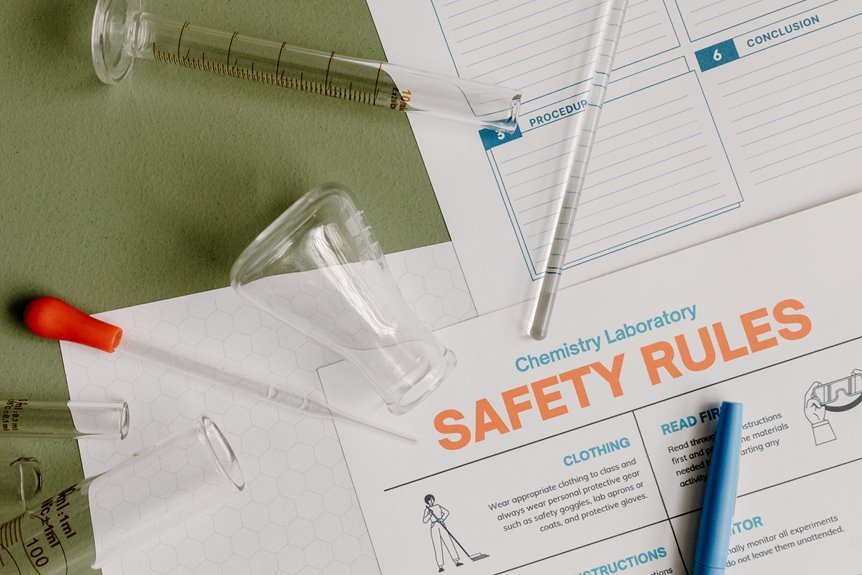
The 9183214069 Chemical Manufacturing Law sets forth essential requirements that you must understand to navigate compliance effectively. It outlines safety regulations, mandates regular audits, and emphasizes employee training. Non-compliance isn’t just a minor oversight; it can lead to significant liability issues. As you assess your operations, consider how these provisions impact your processes and what steps you should take to foster a culture of accountability. What implications could these standards have for your future practices?
Key Provisions of the 9183214069 Chemical Manufacturing Law
The 9183214069 Chemical Manufacturing Law establishes crucial guidelines for the production and handling of chemicals, ensuring safety and compliance.
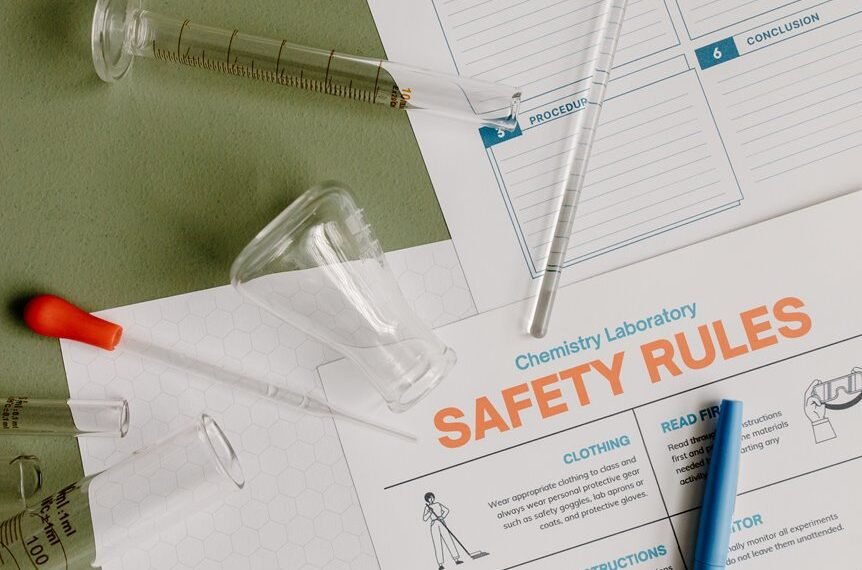
You must adhere to stringent safety regulations to minimize risk and protect workers.
Failure to comply can lead to significant liability issues, affecting your operations and reputation.
Understanding these provisions is essential for fostering a secure environment while maintaining your freedom to innovate.
How to Ensure Compliance With These Provisions
Understanding the key provisions of the 9183214069 Chemical Manufacturing Law is just the beginning; ensuring compliance requires a proactive approach.
Implement regular regulatory audits to identify gaps and enhance adherence. Additionally, invest in robust safety training programs for all employees, empowering them with knowledge and skills to navigate compliance effectively.
This dual strategy not only minimizes risks but also fosters a culture of accountability and safety.
How to Handle Environmental Regulations in Your Chemical Plant?
While managing a chemical plant, navigating environmental regulations is crucial to both compliance and sustainability.
Implement robust safety protocols and prioritize effective waste management to minimize environmental impact.
Regularly audit your processes, ensuring they align with local and federal standards.
Stay informed about regulatory changes and engage with stakeholders to foster a culture of accountability and environmental responsibility throughout your operations.
Establish Ethical Standards in Chemical Manufacturing
Establishing ethical standards in chemical manufacturing not only enhances corporate integrity but also strengthens stakeholder trust.
You must prioritize ethical sourcing and implement sustainability practices to ensure compliance with regulations and meet consumer demands.
Conclusion
In navigating the 9183214069 Chemical Manufacturing Law, you’re not just ticking boxes; you’re safeguarding your business and community. By prioritizing compliance and fostering an ethical culture, you’re not merely meeting legal standards but paving the way for innovation and trust. Remember, in a world where safety is non-negotiable, your proactive approach can make all the difference. Will you rise to the challenge and transform compliance into a cornerstone of your operations?