In criminal cases, nearly 50% of acquittals hinge on the reliability of forensic evidence, including chemical analysis. Understanding the legal standards and procedures for admitting such evidence is crucial. You’ll encounter the complexities of chain of custody and the role of expert witnesses. These elements can make or break a case, raising important questions about how effectively the justice system utilizes chemical evidence. What implications does this have for the integrity of legal outcomes?
Foundational Concepts of Chemical Evidence in Law
When you consider the role of chemical evidence in law, it’s essential to recognize its foundational concepts.
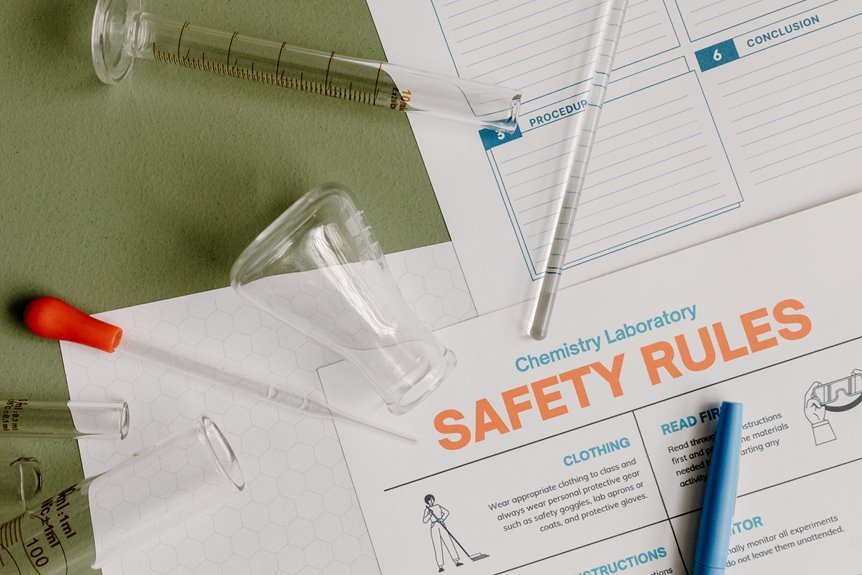
Chemical analysis forms the backbone of forensic chemistry, providing objective data that can link substances to crime scenes or individuals.
Understanding the principles of chemical evidence helps you appreciate its significance in legal contexts, ensuring accurate interpretations and upholding justice based on scientific rigor.
Evaluating the Admissibility of Chemical Evidence
Chemical evidence must undergo rigorous scrutiny to determine its admissibility in court.
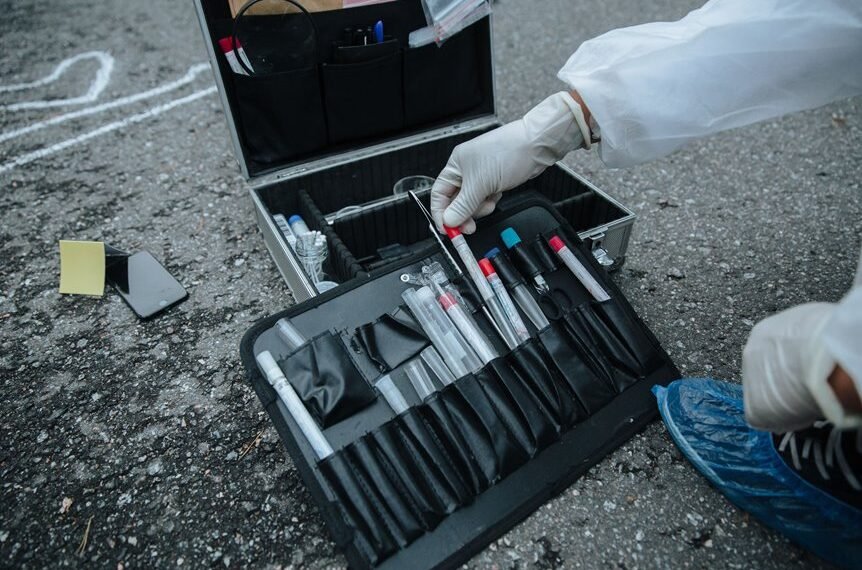
You need to assess the chain of custody, ensuring that the evidence maintained integrity from collection to presentation.
Following established forensic protocols is crucial; any deviation may compromise the evidence’s credibility.
Ultimately, both the reliability of the methods used and the handling of the evidence play vital roles in the evaluation process.
What Makes a Good Expert Witness for Chemical Evidence?
A good expert witness for chemical evidence possesses a blend of technical expertise and effective communication skills. Your expert qualifications must include relevant academic degrees and experience in the field.
They should convey complex concepts clearly, enhancing witness credibility. This combination helps juries understand intricate chemical principles, ensuring the evidence is presented accurately and persuasively in court, ultimately influencing case outcomes.
Key Obstacles in Presenting Chemical Evidence in Court
While presenting chemical evidence in court can be crucial for establishing facts, several key obstacles often arise.
Chain of custody must be meticulously maintained to ensure the integrity of the evidence, but lapses can undermine its credibility.
Additionally, contamination issues can compromise results, making it challenging to demonstrate reliability.
These factors can significantly affect the weight of chemical evidence in legal proceedings.
Conclusion
In conclusion, understanding the nuances of chemical evidence is crucial for effective legal proceedings. With about 70% of jurors reporting difficulty grasping scientific concepts, presenting this evidence clearly is essential for justice. By ensuring rigorous protocols and emphasizing the role of expert witnesses, the legal system can enhance the reliability of chemical evidence. Ultimately, a solid grasp of these elements not only strengthens cases but also fosters trust in the judicial process.