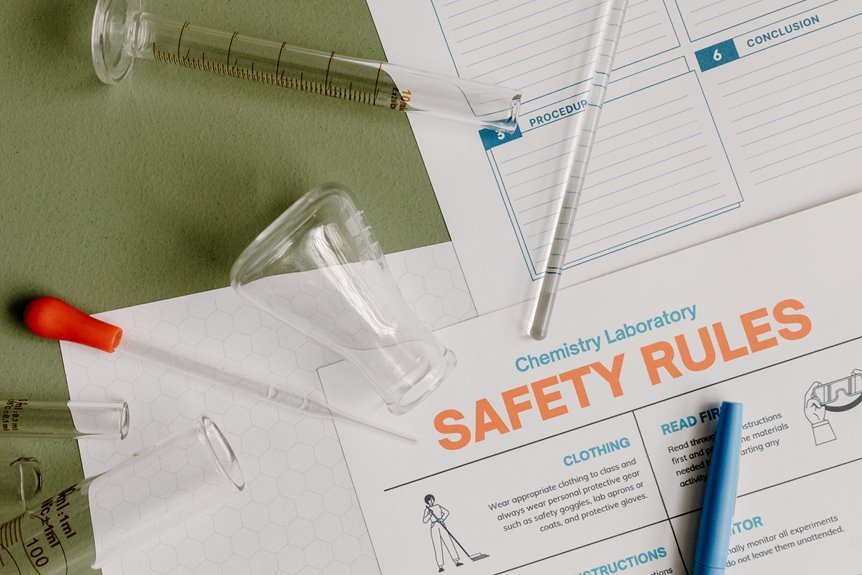
Navigating the 9294633452 chemical licensing rules is essential for your business’s success in the chemical industry. You must understand the specific safety standards and regulatory frameworks that govern your operations. Ignoring these requirements can lead to severe penalties and operational setbacks. By grasping these regulations, you can enhance efficiency and uphold your company’s reputation. But what are the key components you need to focus on to ensure compliance?
Key Parts of Chemical Licensing You Should Know
When navigating chemical licensing, understanding the key components is crucial for compliance and success.
Familiarize yourself with regulatory frameworks that govern your industry, as they dictate necessary safety standards.
Ensure you’re aware of registration processes, documentation requirements, and potential penalties for non-compliance.
Impact of Chemical Licensing on Manufacturing Practices
Chemical licensing significantly influences manufacturing practices, shaping how facilities operate and comply with regulatory demands.
You’ll face various regulatory challenges that dictate your adherence to chemical safety standards. By understanding these requirements, you can streamline processes, enhance safety protocols, and foster a culture of compliance.
Ultimately, navigating these rules empowers you to maintain operational freedom while prioritizing safety and efficiency.
Steps for Successful Chemical Licensing Compliance
Navigating the complexities of chemical licensing compliance involves several critical steps that ensure your operations meet regulatory standards.
Start by developing effective licensing strategies to address compliance challenges.
Regularly review regulations, maintain thorough documentation, and train your team on best practices.
Why Compliance With Chemical Licensing Matters?
Ensuring compliance with chemical licensing isn’t just a regulatory formality; it’s essential for protecting your business and the environment.
By adhering to regulations, you enhance environmental safety and minimize risks associated with non-compliance.
Staying updated on regulatory changes can help you avoid costly penalties, maintain your reputation, and ensure your operations align with current standards.
Compliance empowers your freedom to operate responsibly.
Conclusion
In the intricate dance of the chemical industry, staying compliant with the 9294633452 licensing rules isn’t just a necessity; it’s your lifeline. By understanding and following these regulations, you not only safeguard your operations but also build a reputation that shines in a competitive market. Embrace compliance as a cornerstone of your business strategy, and you’ll not only avoid pitfalls but also pave the way for sustainable success. Remember, safety and responsibility are your best allies.