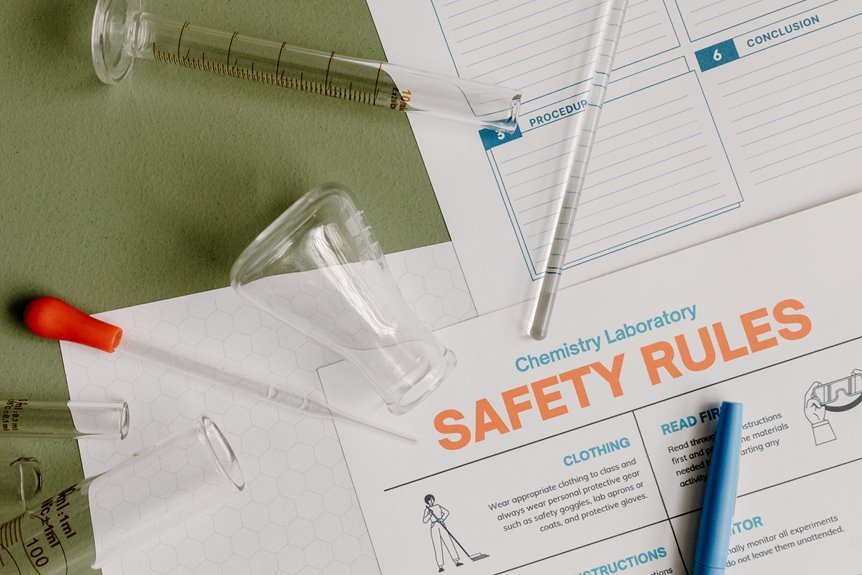
Consider the recent case where a manufacturing plant faced significant fines for improper chemical storage. This highlights the critical nature of understanding chemical liability. Companies must recognize their responsibilities in managing hazardous substances to avoid severe penalties. By implementing effective compliance strategies, you can not only protect your workforce but also safeguard your organization’s reputation. What steps are you currently taking to mitigate potential risks associated with chemical handling?
What Is Chemical Liability and Why It Matters?
Chemical liability refers to the legal responsibility that individuals or companies have when their chemical substances cause harm to people, property, or the environment.
Understanding this concept is crucial, as chemical exposure can lead to serious legal implications.
Failing to recognize these responsibilities can jeopardize your freedom and finances, making it vital to navigate the complexities of chemical liability effectively.
Responsibilities for Hazardous Chemical Handling
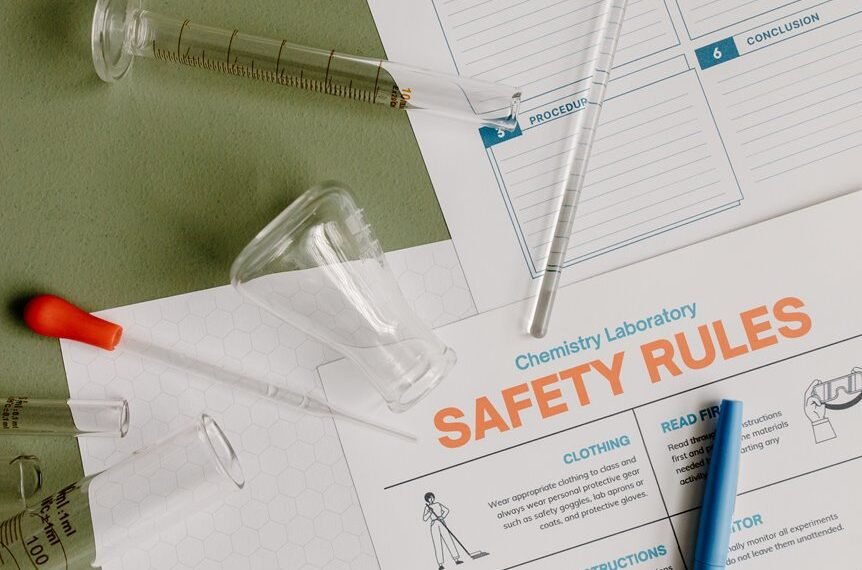
Proper handling of hazardous chemicals is vital for maintaining safety and compliance. You must implement strict safety protocols to minimize risks associated with hazardous waste.
Regular training and clear labeling are essential to ensure everyone understands their responsibilities. By adhering to these practices, you not only protect yourself and your team but also uphold the standards necessary for operating freely in a regulated environment.
Compliance Strategies for Risk Management
While navigating the complexities of compliance, organizations must adopt effective strategies for risk management to mitigate potential liabilities.
Start with thorough risk assessments to identify vulnerabilities.
Next, implement robust safety training programs that empower employees with knowledge and skills.
Addressing Chemical Liability Legal Challenges
Navigating the legal landscape of chemical liability can be daunting, especially when you face the consequences of non-compliance.
Chemical spills can lead to serious legal repercussions, impacting both your reputation and finances.
To address these challenges, it’s crucial to understand regulations and develop proactive strategies.
Staying informed and prepared can empower you to minimize risks and safeguard your operations effectively.
Conclusion
In navigating the intricate landscape of chemical liability, you hold the key to a safer workplace. Picture a well-lit lab, where every employee is trained and every chemical is clearly labeled—a fortress against risk. By embracing stringent safety protocols and compliance strategies, you not only shield your organization from legal pitfalls but also cultivate a culture of responsibility and care. Ultimately, your proactive approach transforms potential hazards into manageable tasks, ensuring both safety and success in your industry.