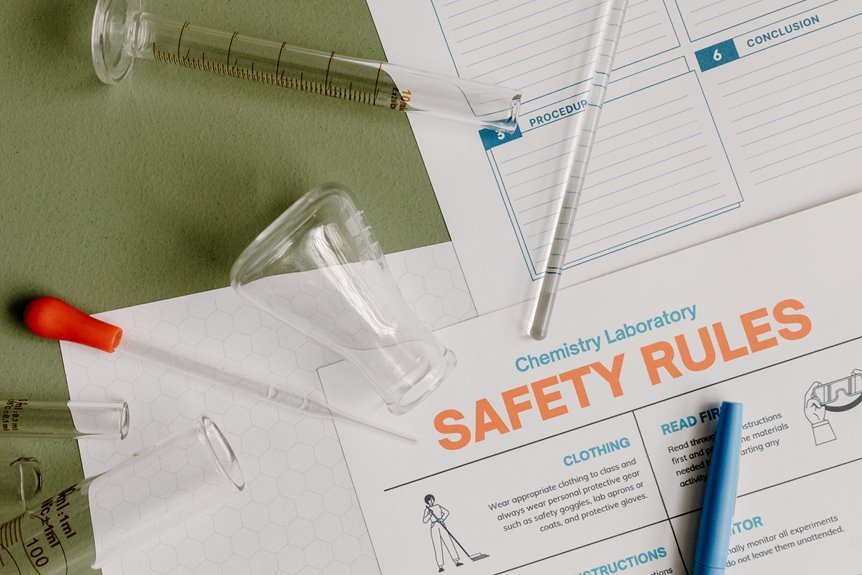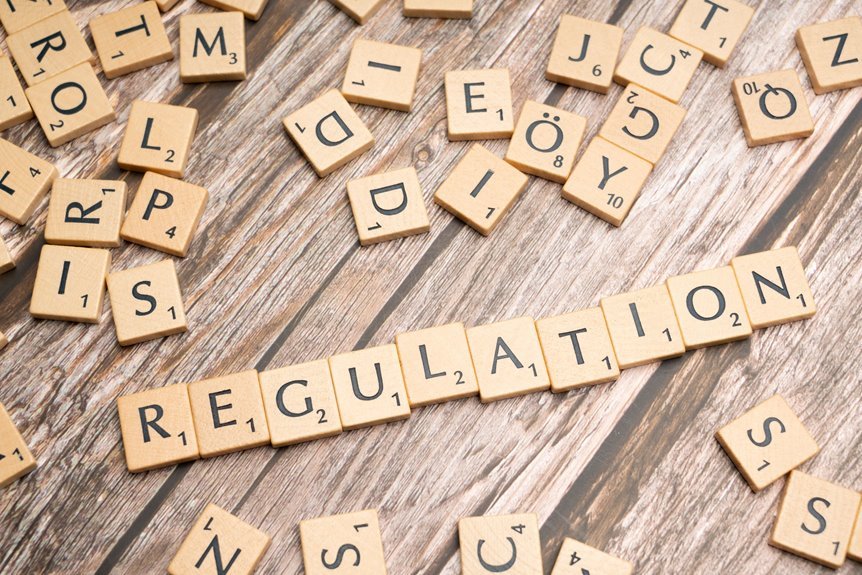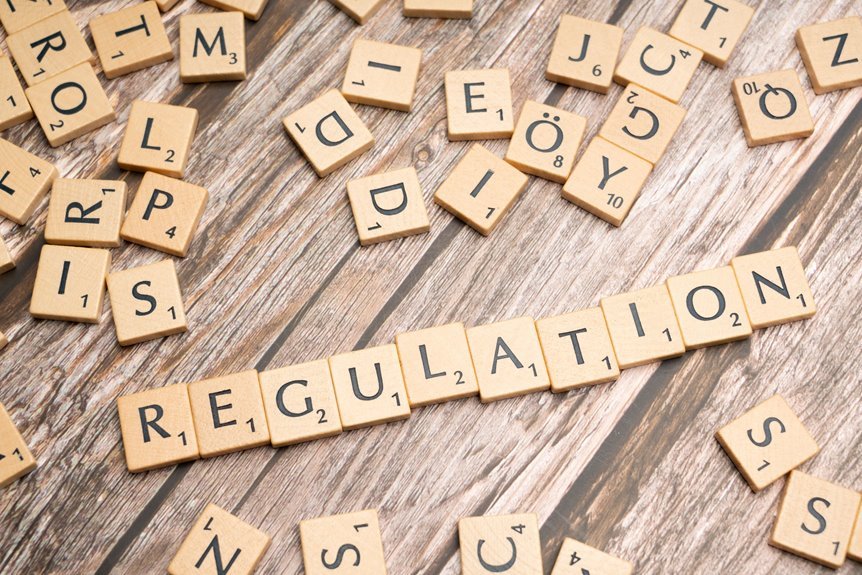
Just as a ship navigates treacherous waters, you must steer through the complex landscape of scientific research regulations. Understanding federal and state compliance is crucial for your work’s integrity. Institutional Review Boards (IRBs) play a pivotal role in safeguarding participant welfare. By mastering these elements, you can avoid common legal pitfalls that could undermine your research. What specific strategies can you implement to ensure you’re not just compliant but also ahead in your field?
Essential Federal and State Regulations for Scientific Research Compliance
When conducting scientific research, understanding federal and state regulations is crucial for compliance and ethical integrity.
You must adhere to federal guidelines that govern research practices and ensure you meet ethical standards.
Familiarizing yourself with these regulations not only protects participants but also enhances the credibility of your work.
Staying informed empowers you to navigate the complexities of scientific research responsibly.
Best Practices for Scientific Research Integrity
While maintaining scientific research integrity is essential for credibility, it also requires a commitment to ethical practices at every stage of your work.
Prioritize transparent data management and ensure all findings are reported accurately.
Engage in continuous ethical considerations, from planning through publication.
What Is an IRB and Why Is It Important?
Maintaining research integrity goes hand in hand with understanding the role of an Institutional Review Board (IRB).
IRBs provide essential ethical oversight, ensuring that your research respects participant rights and welfare. Their functions include reviewing research proposals, assessing risks, and promoting ethical standards.
Avoiding Common Legal Mistakes in Research
Understanding legal pitfalls in research is crucial for safeguarding your project and participants.
Prioritize research ethics by ensuring comprehensive compliance training and maintaining accurate legal documentation.
Regularly assess your risk management strategies to identify potential issues early.
Conclusion
By mastering the intricacies of scientific research regulations, you’re not just ticking boxes; you’re building a sturdy bridge over a turbulent river of compliance challenges. Picture yourself standing on that bridge, confidently guiding your research team through ethical waters, ensuring participant welfare shines like a beacon. With the right knowledge and practices, you can navigate potential pitfalls, fostering integrity and credibility in your work. Embrace these guidelines, and watch your research flourish under the light of ethical standards.