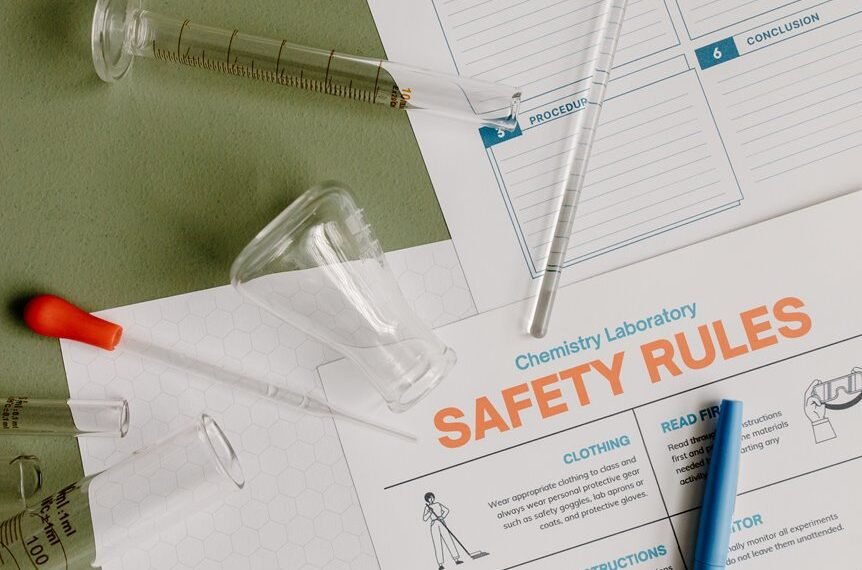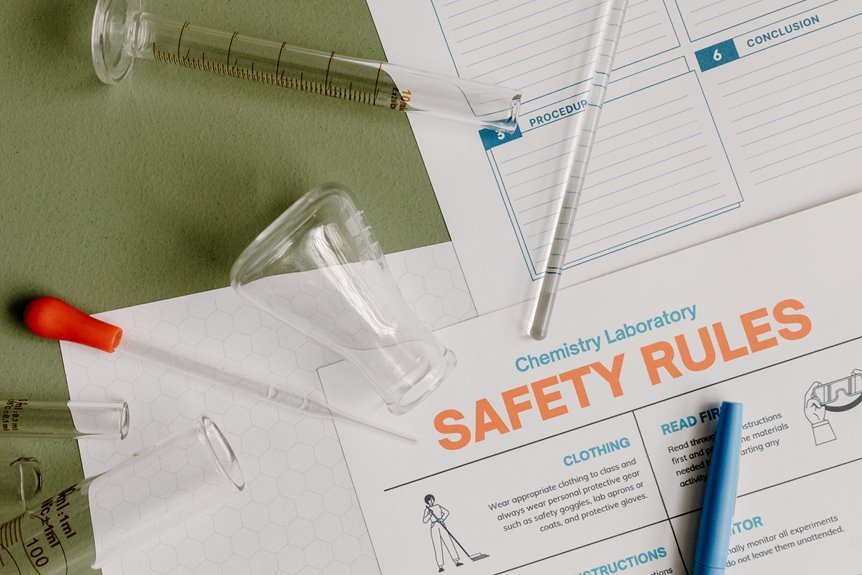
Understanding the 9149013838 Laboratory Safety Law is crucial for anyone working in a lab environment. You need to know how to identify chemical hazards and implement effective PPE protocols. By focusing on risk assessments and robust training methods, you can significantly enhance safety in your lab. But what specific strategies can you employ to foster a strong safety culture? Let’s explore the best practices that will help you create a safer workplace.
Key Takeaways From the 9149013838 Laboratory Safety Law
When you dive into the 9149013838 Laboratory Safety Law, you’ll quickly discover its crucial implications for laboratory operations.
Understanding chemical hazards is essential, as it helps you identify potential risks.
The law emphasizes the importance of personal protective equipment (PPE) to safeguard your health.
Laboratory Safety: Essential Risk Assessment Strategies
Understanding the potential hazards in your laboratory is crucial, especially as you navigate various experiments.
Identify chemical hazards by conducting thorough risk assessments, and always wear the appropriate personal protective equipment.
Regularly review safety protocols and encourage open communication about risks.
This proactive approach not only ensures your safety but also fosters a culture of responsibility and awareness within your lab environment.
How to Implement Effective Lab Safety Training?
Implementing effective lab safety training is vital for fostering a safe working environment.
Combine hands-on training with virtual simulations to engage participants fully. Create scenarios that mimic real-life situations, allowing your team to practice their responses.
Regularly update training materials to reflect current best practices and ensure everyone understands safety protocols, empowering them to maintain a culture of safety in the lab.
Fostering a Safety Culture in Laboratories
Creating a safety culture in laboratories starts with strong leadership and a clear vision.
You need to promote safety leadership by encouraging open communication about incident reporting. Empower your team to voice concerns and share experiences.
Regularly review safety protocols, engage in discussions, and celebrate safety successes. This proactive approach fosters a sense of responsibility, ensuring everyone participates in maintaining a safe workplace.
Conclusion
In the realm of laboratory safety, think of each precaution as a sturdy shield, protecting you and your colleagues from unseen dangers. By embracing the 9149013838 Laboratory Safety Law, you’re not just adhering to regulations; you’re weaving a fabric of safety that wraps around everyone in your lab. Together, let’s cultivate a culture where vigilance and communication thrive, ensuring that when you step into the lab, you’re stepping into a sanctuary of health and security.