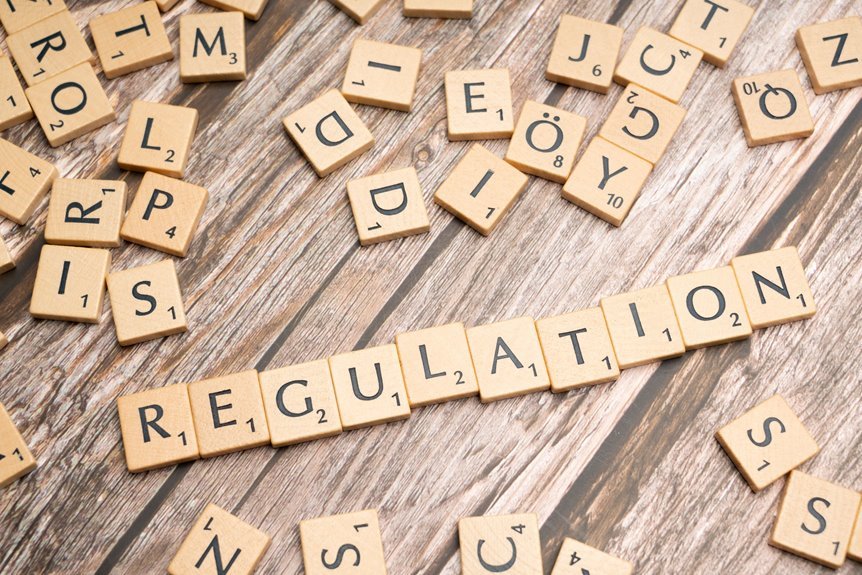
Understanding the 9057591255 Industrial Health Regulations, recognizing the importance of chemical safety, and implementing effective practices are crucial for your workplace. These regulations mandate assessing risks, proper labeling, and ensuring adequate ventilation. By grasping these requirements, you can enhance safety and empower your team. Yet, you may encounter challenges in execution. What are the best methods to overcome these hurdles and ensure compliance?
Understanding the Purpose of the 9057591255 Industrial Health Regulations
Understanding the purpose of the 9057591255 Industrial Health Regulations is crucial for maintaining a safe and productive workplace.
These regulations ensure regulatory compliance with established health standards, protecting workers from hazardous conditions.
By adhering to these guidelines, you not only enhance safety but also foster an environment that promotes well-being and efficiency.
Ultimately, this compliance empowers you to operate freely and responsibly.
Essential Chemical Safety Requirements for Industrial Compliance
Maintaining a safe workplace involves adhering to specific chemical safety requirements that align with industrial health regulations.
You must assess potential chemical exposure risks, implement proper labeling, and ensure adequate ventilation.
Regular safety training is crucial for employees to understand handling procedures and emergency protocols.
How to Implement Best Practices for Chemical Safety
Implementing best practices for chemical safety is crucial for minimizing risks and ensuring compliance with industrial health regulations.
Start by conducting thorough risk assessments to identify potential chemical exposure.
Provide comprehensive safety training to all employees, emphasizing proper handling and emergency procedures.
Regularly review and update safety protocols, ensuring everyone understands their responsibilities in maintaining a safe work environment.
Common Challenges in Implementing Chemical Safety Best Practices?
Even with solid safety protocols in place, organizations often face significant hurdles when it comes to implementing chemical safety best practices.
Common challenges include maintaining regulatory compliance, which can be complex and time-consuming.
Additionally, effective hazard communication is crucial; without clear information, employees may struggle to recognize risks.
Overcoming these barriers is essential for fostering a safe working environment and ensuring proper chemical handling.
Conclusion
In summary, adhering to the 9057591255 Industrial Health Regulations is crucial for maintaining a safe workplace. Did you know that organizations implementing effective chemical safety protocols can reduce workplace incidents by up to 40%? By prioritizing proper labeling, ventilation, and regular training, you not only comply with regulations but also create a culture of safety. Remember, empowering yourself and your colleagues with knowledge and best practices can significantly mitigate risks associated with hazardous chemicals.