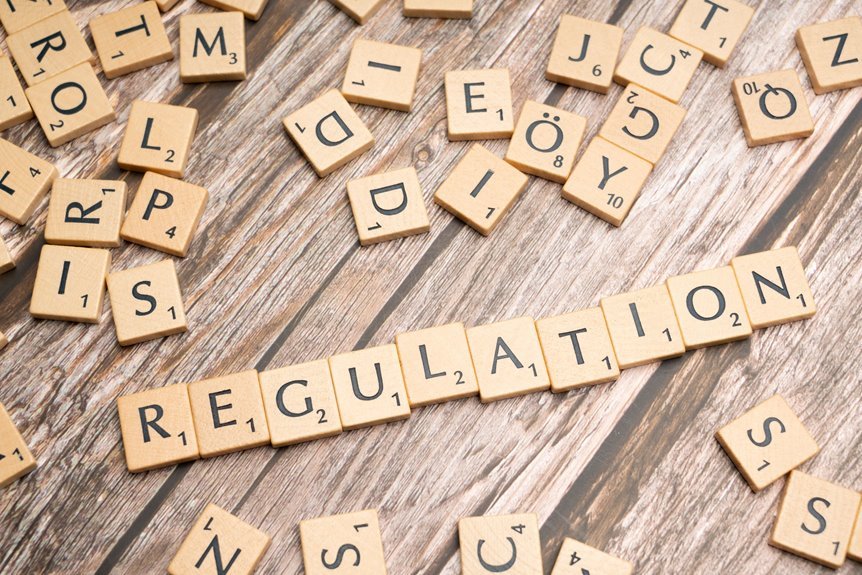
You’re likely aware that the chemical industry faces intense scrutiny regarding safety and compliance. With evolving regulations, understanding the “8773381212 Chemical Trade Regulations” is more crucial than ever for your operations. Adhering to these standards not only safeguards public health but also enhances your company’s reputation. However, many businesses stumble in their compliance efforts. What strategies can you implement to ensure you’re on the right track?
What You Need to Know About Chemical Trade Regulations
Understanding chemical trade regulations is crucial for anyone involved in the industry, as these rules govern the safe handling and distribution of chemicals.
You must stay informed about regulatory updates to ensure compliance and protect public health.
Prioritizing chemical safety not only safeguards your operations but also enhances your reputation.
Knowledge of these regulations empowers you to navigate the complexities of chemical trade effectively.
How to Navigate Compliance Like a Pro
Staying compliant with chemical trade regulations requires a strategic approach to ensure your operations align with current laws.
Regularly review regulatory updates to stay informed. Implement robust compliance strategies, such as training staff and utilizing software tools, to streamline processes.
Avoid Common Pitfalls in Chemical Trade Compliance
While navigating the complex landscape of chemical trade compliance, you can easily fall into several common pitfalls that may jeopardize your operations.
Ignoring regulatory updates can lead to significant legal issues, while neglecting chemical safety protocols may endanger employees and the environment.
Stay informed, regularly review compliance guidelines, and implement robust safety measures to avoid these costly mistakes and ensure smooth operations.
Where to Find Help With Chemical Trade Compliance
Navigating the maze of chemical trade compliance can be daunting, but you don’t have to go it alone.
Start by consulting regulatory agencies like the EPA or OSHA for guidelines.
Explore compliance resources, including industry associations and specialized consultants, to stay informed.
These avenues can provide essential insights and support, empowering you to achieve compliance while maintaining your operational freedom.
Conclusion
In the intricate dance of chemical trade, compliance isn’t merely a requirement—it’s your safety net. By embracing stringent regulations, you not only safeguard your operations but also build a fortress of trust with stakeholders. Remember, navigating this landscape requires vigilance and proactive engagement. So, equip yourself with the right knowledge and resources, and turn potential pitfalls into stepping stones for success. The path may be winding, but with diligence, you’ll emerge stronger and more resilient in the industry.