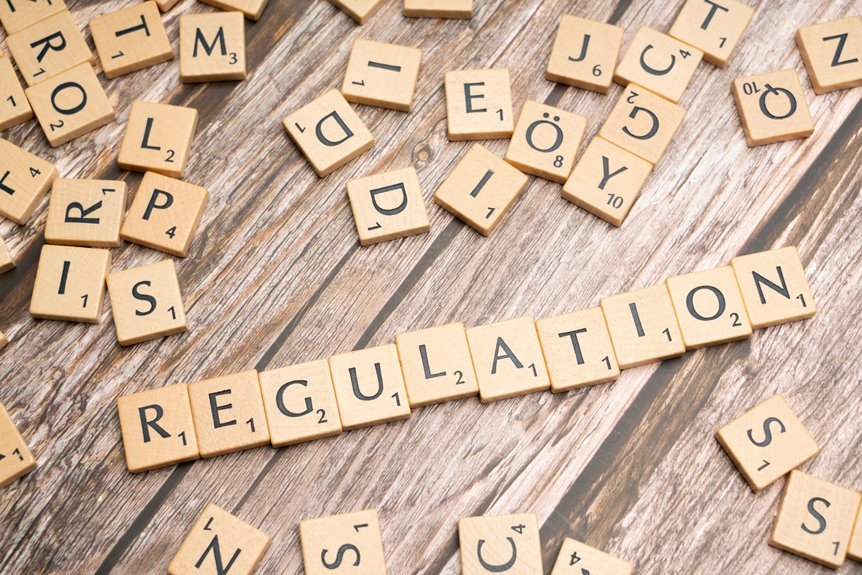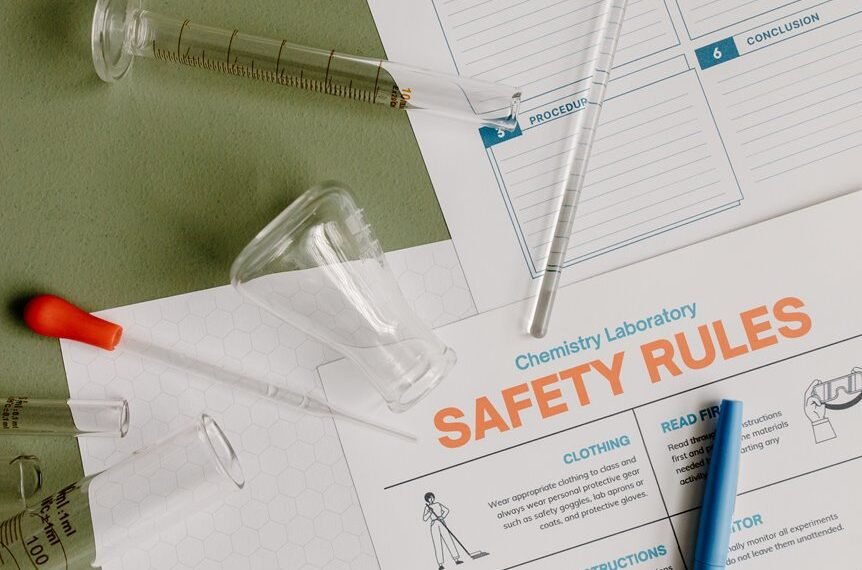
Is it true that understanding chemical law can significantly enhance compliance within the industry? By grasping key definitions and concepts, you can better navigate the complexities of regulations. Moreover, incorporating technology into your compliance processes may not only streamline operations but also foster transparency. What challenges and opportunities might arise as you implement these strategies? Engaging with these questions is essential for fostering a safer, more accountable chemical sector.
The Basics of Chemical Law: Key Definitions and Concepts
Chemical law encompasses a framework of regulations governing the use, handling, and distribution of chemicals.
Understanding key chemical terminology and regulatory frameworks is essential for navigating this complex landscape. You’ll encounter terms like “hazardous materials” and “risk assessment,” which define legal responsibilities and safety protocols.
Familiarizing yourself with these concepts empowers you to operate effectively and responsibly within the chemical industry.
Practical Strategies for Navigating Chemical Compliance
Navigating the landscape of chemical compliance requires a strategic approach to ensure adherence to regulations and minimize risks.
Start by conducting thorough risk assessments to identify potential hazards.
Stay informed on regulatory updates, as these can significantly impact your operations.
Implement training programs for your team to foster compliance awareness, and establish a clear documentation process to maintain accountability and transparency.
How Technology Shapes Chemical Regulations
As industries increasingly adopt advanced technologies, the landscape of chemical regulations is evolving rapidly.
Regulatory technology streamlines compliance processes, making it easier for you to navigate complex frameworks. This innovation not only enhances transparency but also fosters industry innovation, allowing businesses to adapt swiftly.
Effective Strategies for Chemical Law Compliance?
How can you ensure compliance with ever-evolving chemical laws?
Start with comprehensive risk assessments to identify potential hazards.
Stay updated on regulatory changes by subscribing to industry newsletters and attending workshops.
Implement a robust internal compliance program to regularly review practices.
Conclusion
In conclusion, mastering modern chemical law means you must meld meticulous methods with mindful monitoring. By harnessing technology and honing your compliance strategies, you can navigate the nuanced landscape of regulations effectively. Staying savvy about shifts in standards not only safeguards safety but also strengthens your standing in the sector. Ultimately, a proactive approach fosters a culture of accountability, ensuring your practices promote both protection and progress in the ever-evolving chemical industry.