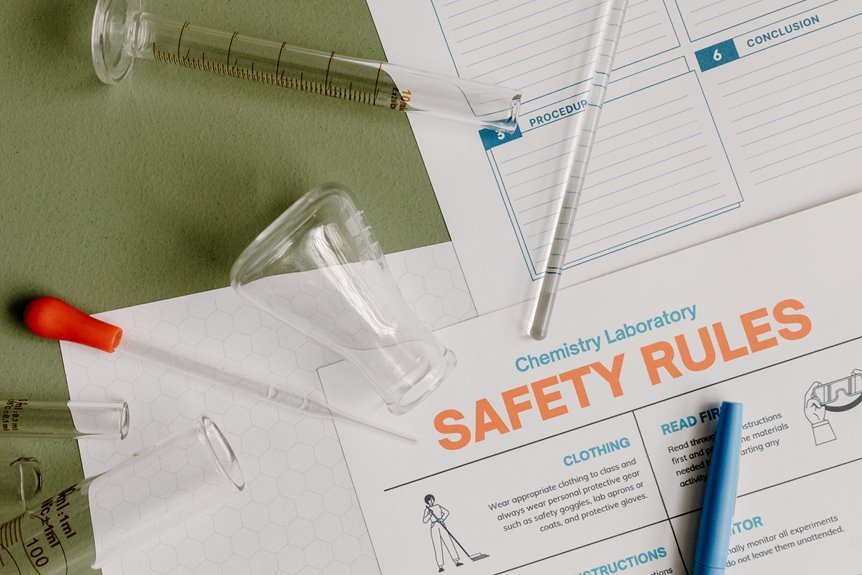
Forensic chemistry is vital in shaping the outcomes of criminal investigations. You might not realize how scientific analysis can influence jury decisions or even the entire trial process. The interplay between forensic evidence and legal arguments raises questions about reliability and interpretation. Understanding these dynamics is crucial for legal professionals aiming to strengthen their cases. What specific challenges do lawyers face when collaborating with forensic experts?
How Forensic Chemistry Shapes Criminal Investigations
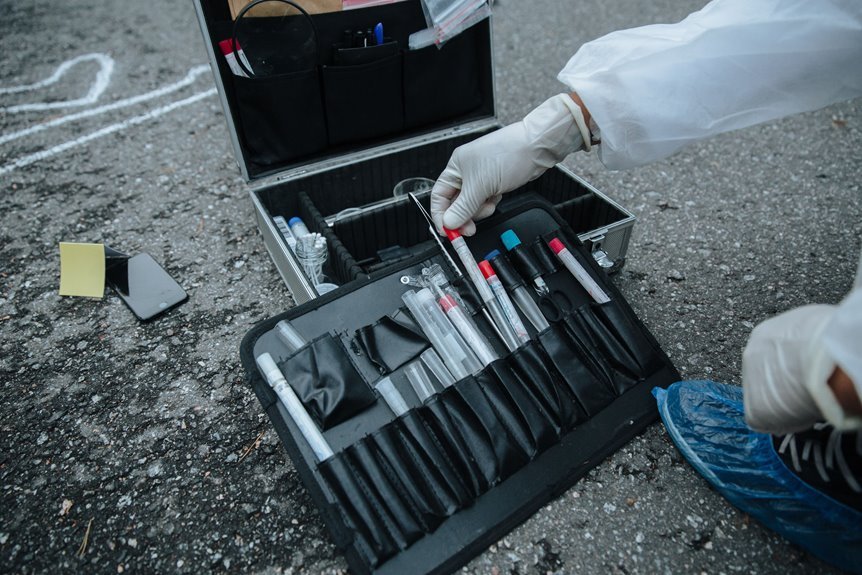
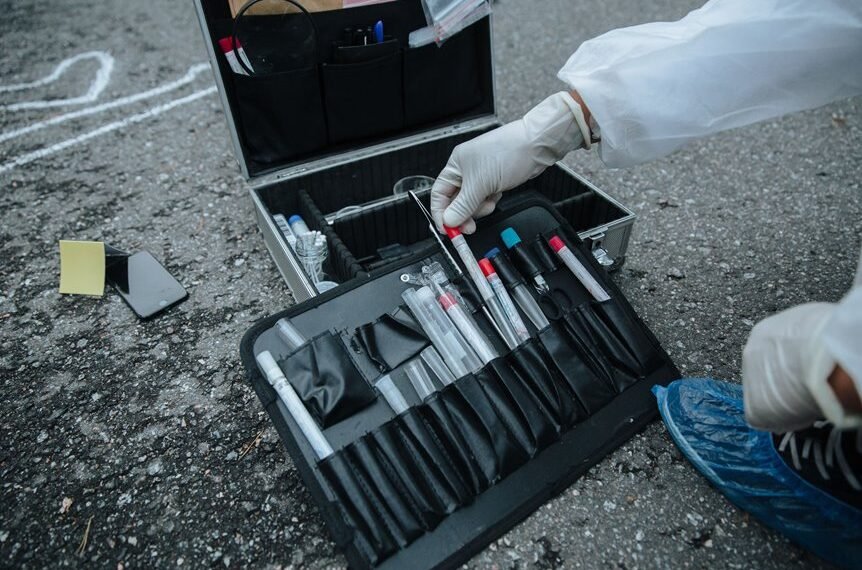
Forensic chemistry plays a crucial role in shaping criminal investigations, as it provides the scientific basis for analyzing evidence collected at crime scenes.
By employing various forensic analysis techniques, you can objectively evaluate chemical evidence collection, revealing vital information about events and individuals involved.
This scientific approach not only strengthens cases but also upholds the integrity of the justice system, ensuring fair outcomes.
Challenges in Forensic Evidence Presentation
While presenting forensic evidence can significantly bolster a case, it often comes with its own set of challenges.
You’ll face issues like evidence reliability, which can be scrutinized by the defense. Additionally, expert testimony must be clear and understandable; otherwise, jurors may misinterpret the findings.
Balancing scientific accuracy with legal standards is crucial for effective communication in court.
Key Criteria for Admissibility of Forensic Evidence in Court
When assessing the admissibility of forensic evidence in court, judges apply specific criteria to ensure its reliability and relevance.
Key elements include maintaining a clear chain of custody, which verifies the evidence’s integrity, and the presence of expert testimony to explain complex methodologies.
These factors help establish the credibility of the evidence and its connection to the case at hand.
How Lawyers Can Effectively Work With Forensic Experts
Effective collaboration between lawyers and forensic experts is crucial for building a strong case. You should ensure clear communication, defining roles and expectations early on.
Engage in regular discussions to facilitate evidence interpretation and address any discrepancies.
This expert collaboration not only enhances the quality of your arguments but also strengthens the overall integrity of the evidence presented in court.
Conclusion
In the intricate dance of justice, forensic chemistry serves as the steady metronome, guiding each step of the legal process. By bridging the gap between science and law, it transforms complex findings into clear narratives that resonate within the courtroom. As you navigate this landscape, remember that effective collaboration with forensic experts can illuminate the shadows of doubt, ensuring that every piece of evidence shines with clarity and integrity, ultimately fostering a fair and just outcome.