It’s interesting how often we encounter hazardous materials in everyday life, yet many aren’t aware of the regulations that govern their safe handling. The 9512665620 Hazardous Materials Law establishes essential safety requirements that protect both workers and the environment. Understanding these protocols is crucial for compliance and safety. As we explore these requirements, consider how they apply to your operations and what steps you might need to take to ensure you’re meeting these critical standards.
Understanding the 9512665620 Hazardous Materials Law
Understanding the 9512665620 Hazardous Materials Law is crucial for anyone involved in the handling or transportation of hazardous materials.
This regulatory framework establishes standards to minimize environmental impact, ensuring safety for both workers and the community.
Essential Safety Protocols for Hazardous Materials Handling
When dealing with hazardous materials, following essential safety protocols is non-negotiable.
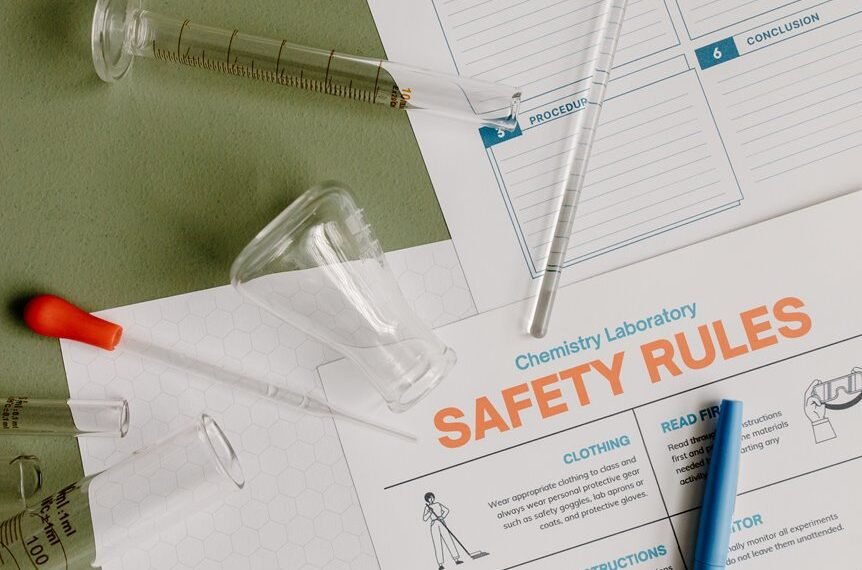
Always wear appropriate personal protective equipment to minimize exposure risks.
Ensure you have a solid emergency response planning strategy in place, detailing evacuation routes and communication methods.
Regularly train your team on these protocols, fostering a safe environment and empowering everyone to act swiftly and effectively in emergencies.
Best Practices for Managing Hazardous Materials
Effective management of hazardous materials demands a comprehensive approach that prioritizes safety and compliance.
Conduct regular risk assessments to identify potential hazards and implement appropriate controls.
Ensure proper labeling and storage of hazardous waste to minimize exposure.
Train employees on emergency response procedures and maintain clear communication channels.
Staying Compliant With Hazardous Materials Regulations
To maintain compliance with hazardous materials regulations, you must stay informed about the ever-evolving legal landscape.
Regularly review regulatory updates to address compliance challenges effectively.
Implement training programs for your team to ensure everyone understands their roles in maintaining safety.
Conclusion
In navigating the terrain of hazardous materials, you’re not just following regulations; you’re forging a safer future. Picture a well-trained team, equipped with PPE, ready to tackle spills like warriors on a battlefield. By embracing these safety protocols, you transform risks into manageable challenges. Your commitment to compliance isn’t just a duty; it’s a pledge to protect both workers and the environment. Together, you’re building a culture of safety, where preparedness shines like a beacon in the fog of uncertainty.